30-Day January Declutter Challenge (One Small Area a Day)
January is the month when the whole internet tells you to sort your life out, and the advice is usually the same: spend a whole weekend emptying every cupboard, buy a dozen matching storage boxes, and turn your flat upside down. That plan fails in a small apartment, because a weekend marathon leaves you with piles on the bed, no room to sleep, and a mess that is worse than the one you started with. This challenge works the other way around. One small area a day, fifteen minutes at most, for thirty days. One drawer, one shelf, one bag a day. By the end of January, the whole flat is sorted, and you never had a single exhausting weekend.
The challenge is built for renters and small spaces. There is no drilling, no new furniture, and no big budget. Most days cost nothing at all, because you are removing things, not buying things. You only need three bags or boxes, a timer, and a small basket for the things that belong somewhere else. January is the best month to do it, because the Christmas decorations are coming down, the New Year energy is real, and “declutter” searches jump by about 300% in the last month. Everyone else is doing a January clear-out too, so donation shops are open, selling apps are busy, and you will not be doing it alone.
The whole challenge takes about seven and a half hours in total, spread over a month. That is fifteen minutes a day, or less time than one episode of a television show. You just need to open one drawer a day and decide what stays and what goes. This article gives you the full thirty-day plan, room by room, plus the simple rules that keep it easy and the small habits that stop the clutter coming back in February.
How the challenge works: three rules, fifteen minutes a day
The challenge has three rules, and they are the reason it works. Rule one: one small area a day, never more. A drawer is an area. A shelf is an area. One bag of clothes is an area. A whole room is not an area, and a whole wardrobe is not an area. If the area takes more than fifteen minutes, it is too big, so split it in half and do the other half tomorrow. Small wins every day beat one big win that never happens.
Rule two: every item gets one of four decisions, and you decide fast. Keep it, donate or sell it, bin it, or move it to the room where it belongs. There is no fifth pile for “maybe later”, because a maybe pile is just clutter with a new name. If you have not used it in a year, if it is broken, or if you forgot you owned it, it goes. If you love it and you use it, it stays. Fast decisions are the whole skill of decluttering, and you get better at them by day five.
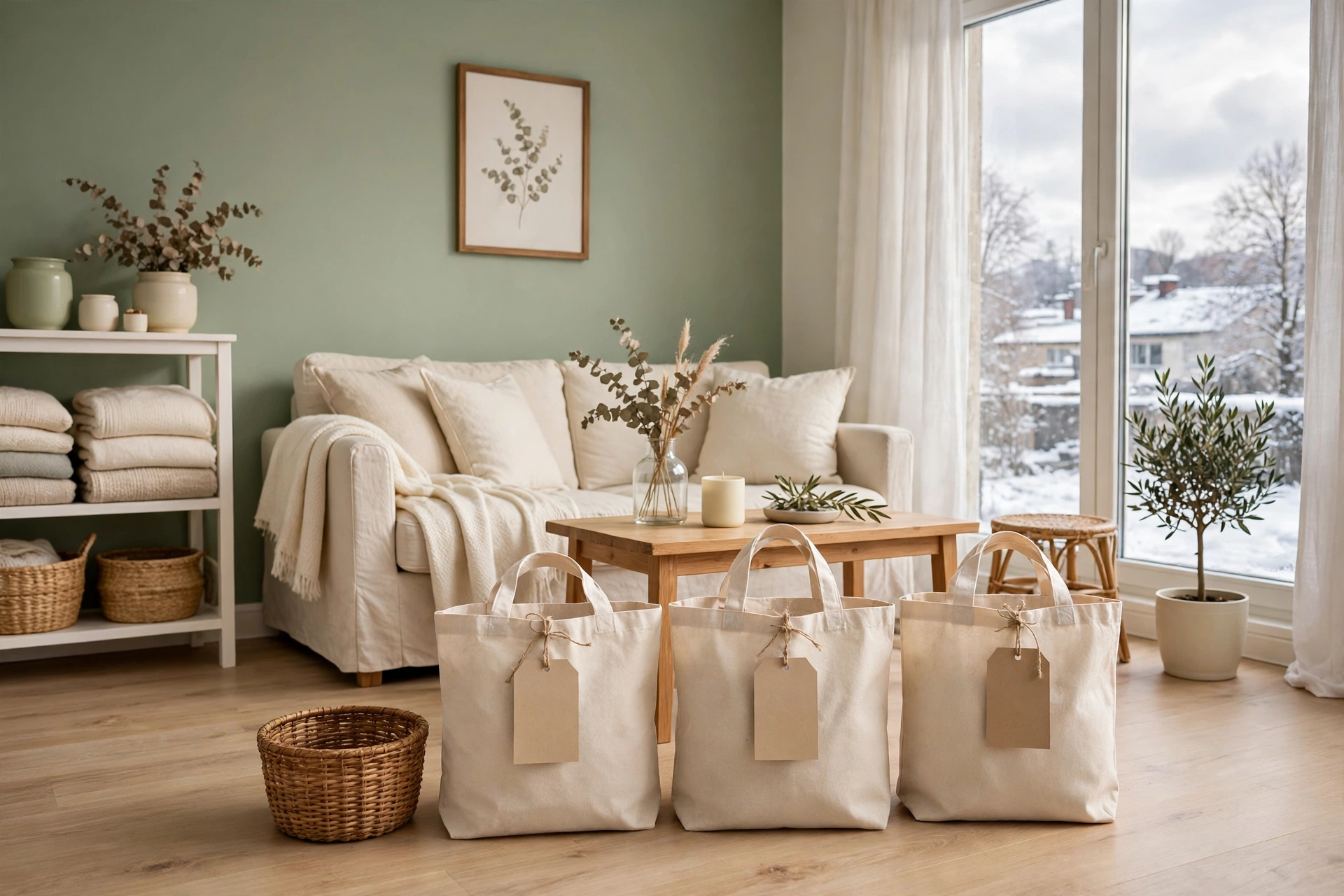
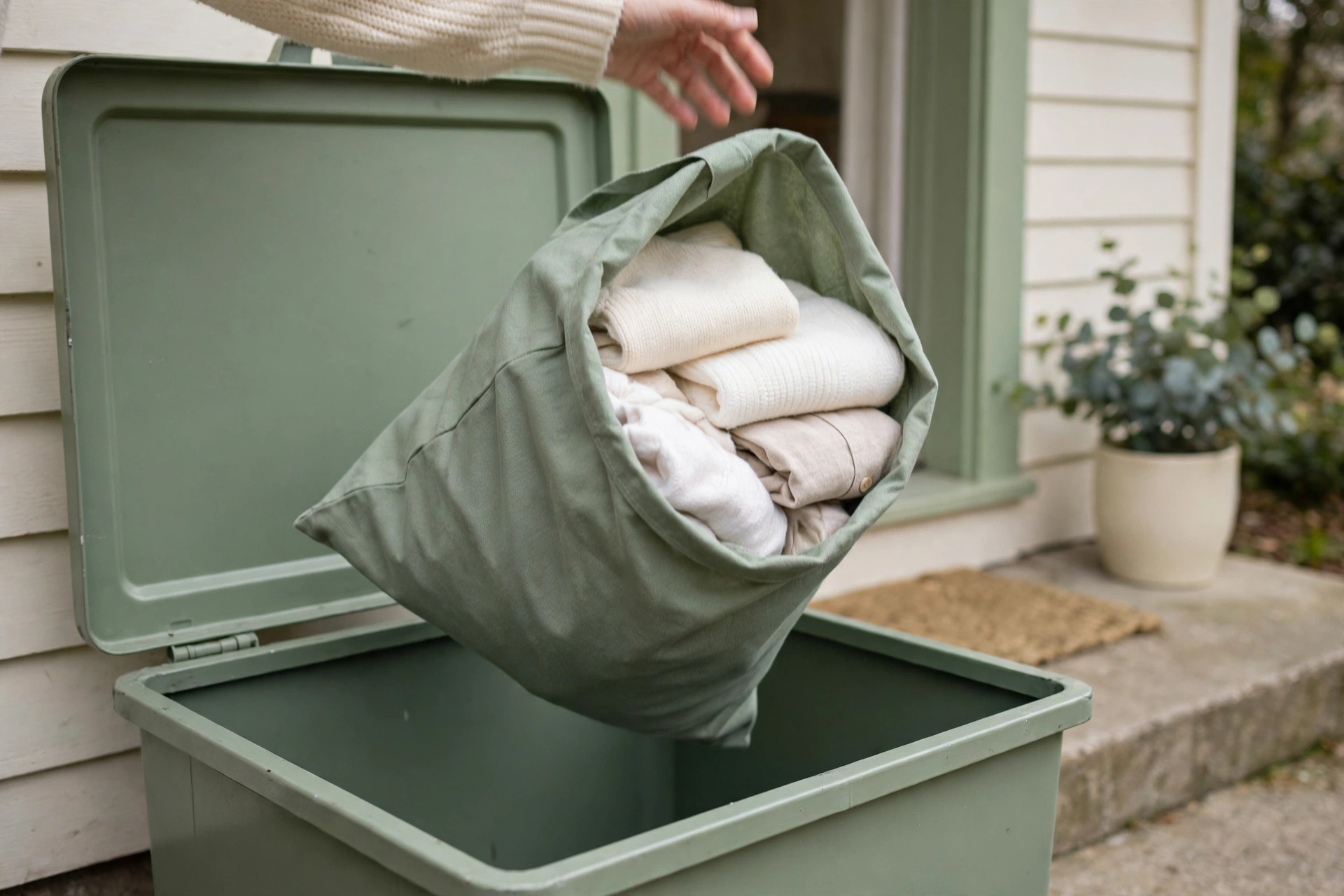
Rule three: the bags leave the flat the same day. A bag of donations sitting by the door for a week becomes furniture, and sooner or later you will open it and take things back out. Put the donation bag in the car, by the front door ready to drop off, or straight into a charity collection bag. Put the bin bag straight in the outside bin. Put the things to sell in one box, take a photo, and list them that evening or at the weekend. Clutter only counts as gone when it has left the flat.
Before day one: the five minute setup
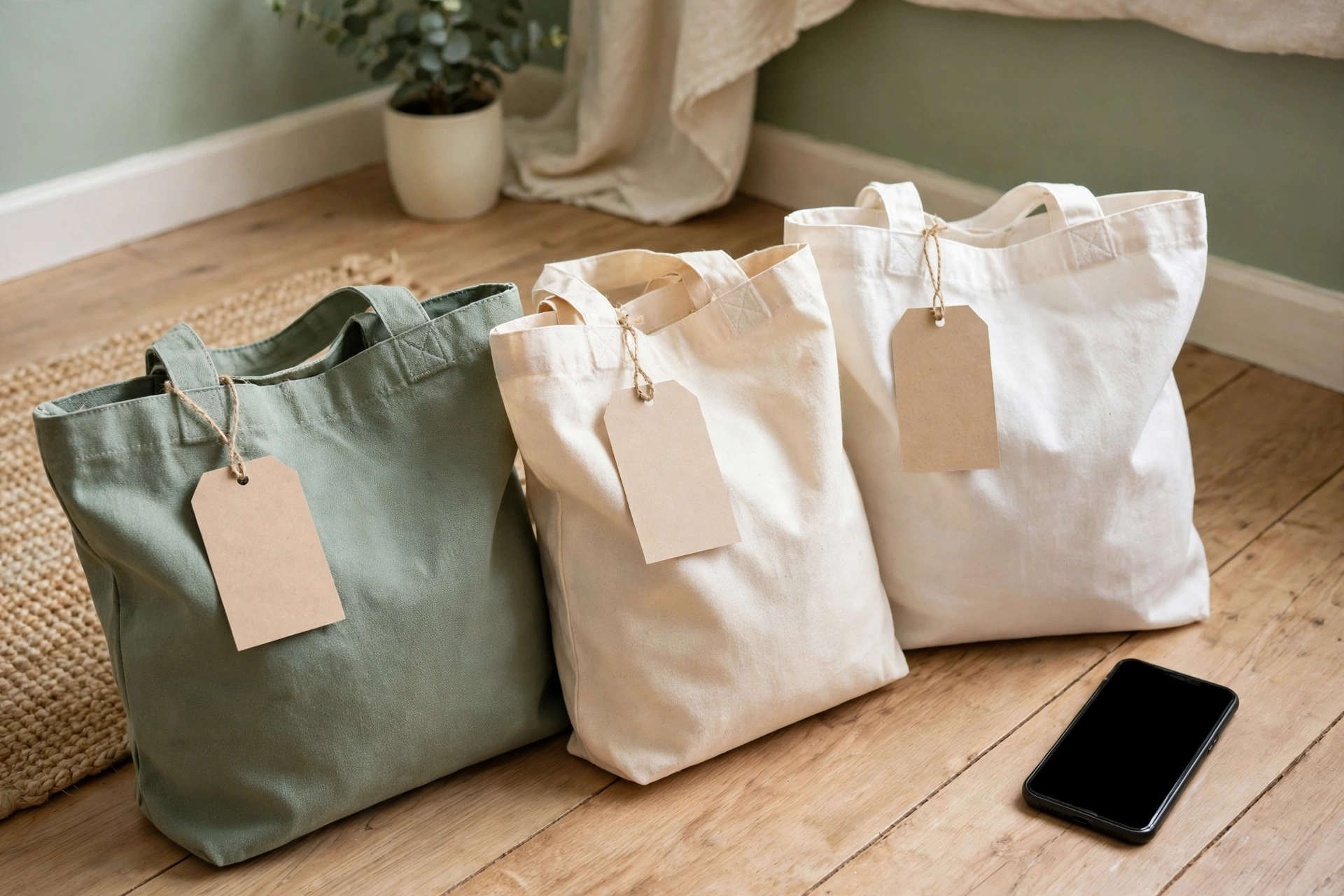
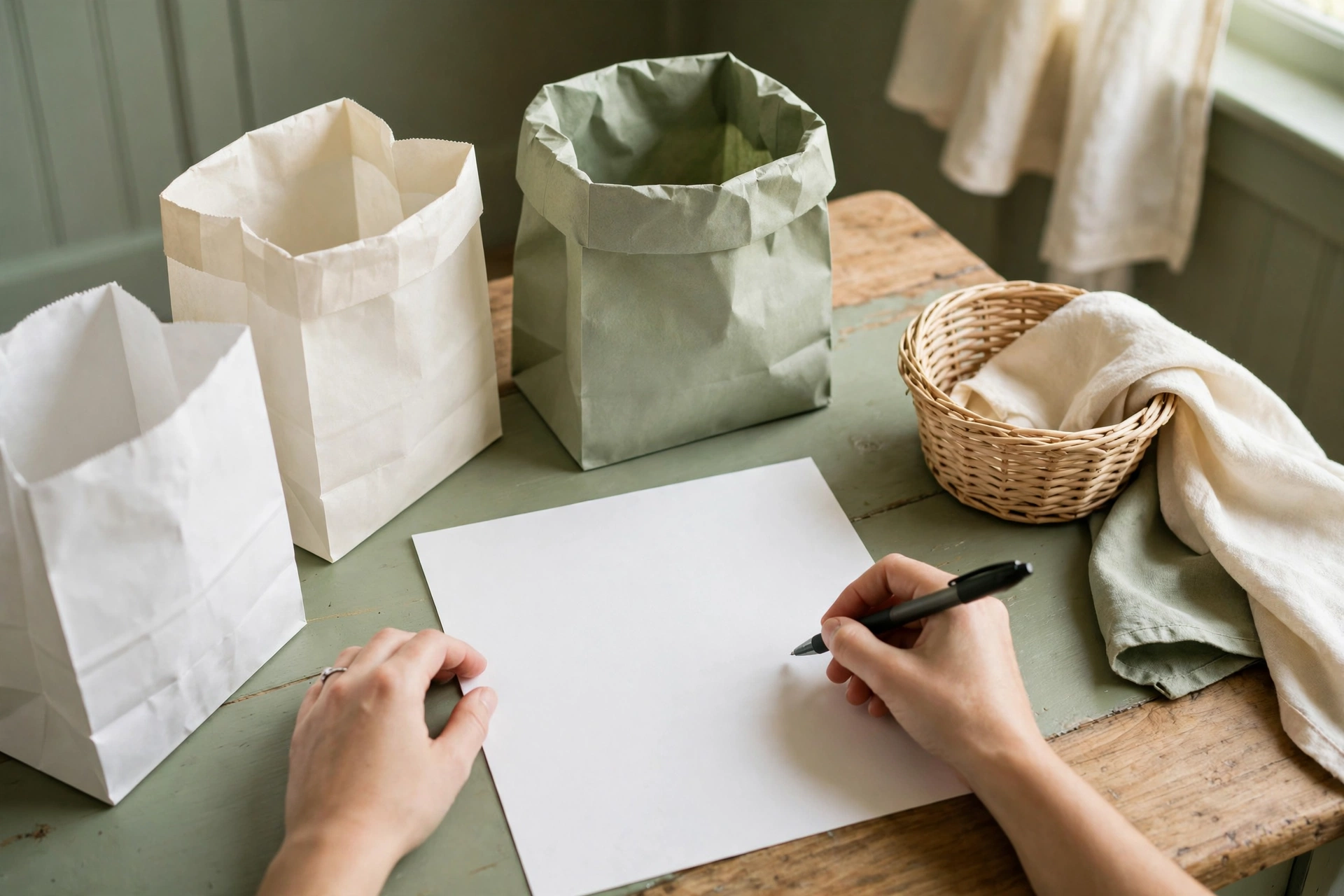
Set up before the challenge starts, so day one takes fifteen minutes and not an hour. You need three bags or boxes: one for donations, one for rubbish, and one for things that belong in another room. A small basket works for the third one, because you will carry it around the flat at the end of each session. You also need a timer, which is just the timer on your phone, and a roll of bin bags. That is the whole kit, and it costs under five dollars if you do not already have bags at home.
Pick your start date and write the thirty days on a piece of paper, on your phone notes, or on a free printable checklist. Tick each day off when you finish it, because the row of ticks is what keeps you going in week three when the excitement wears off. Put the list on the fridge or inside a cupboard door, somewhere you will see it every morning.
Days 1 to 7: kitchen and bathroom, the quick wins
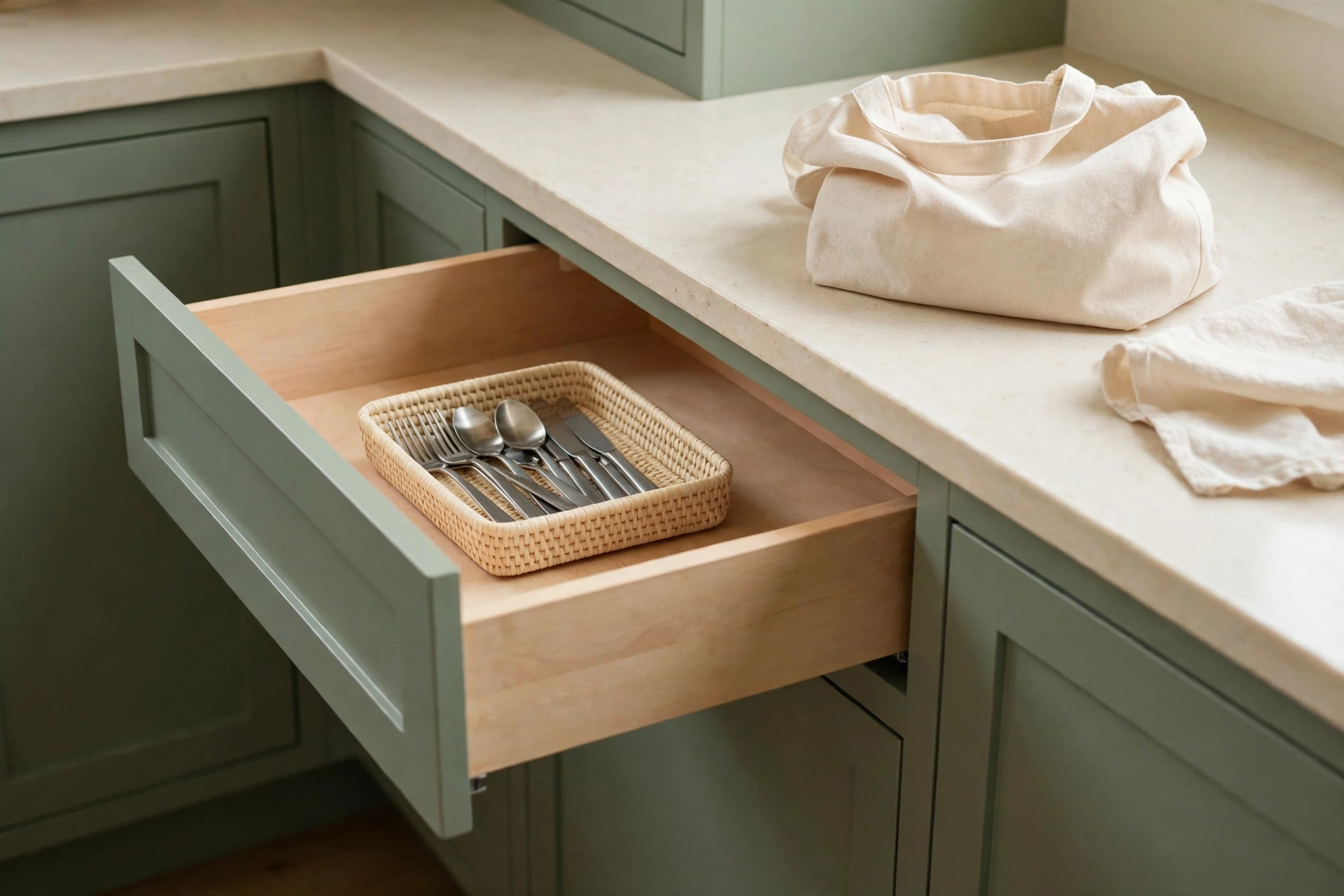
Week one is the kitchen and the bathroom, because these rooms give you the fastest visible wins and they are full of things that are easy to decide about. Day one is the cutlery drawer. Empty it, wipe it, and keep one set of cutlery per person plus a few spares. Broken or bent pieces, single chopsticks, and gadgets you never use all go. Day two is the junk drawer, the one with batteries, old keys, and rubber bands. Keep the batteries that work, the scissors, and one pen. The rest goes.
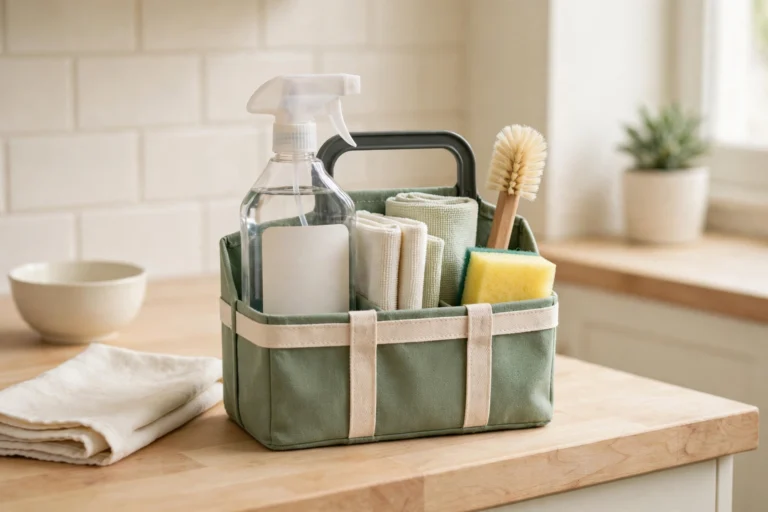
Day three is the top shelf of the food cupboard. Throw out anything past its date, anything open for a year, and the three half-used packets of the same spice. Day four is the mugs and glasses. Keep the ones you actually drink from, donate the chipped ones and the free mugs from events you do not remember. Day five is under the sink, where cleaning sprays multiply. Keep one of each type, bin the empty bottles, and move the rest into one small caddy.
Day six is the bathroom cabinet. Old medicines, dried-up creams, and hotel samples from two years ago all go. Keep the things you use every week. Day seven is the bathroom drawer or the shelf by the sink. One hairbrush, one set of products you actually use, and a small tray for the daily items. Week one ends with a kitchen and a bathroom that are easier to use every single morning, and that is a strong start.
Days 8 to 14: bedroom and closet, the honest week
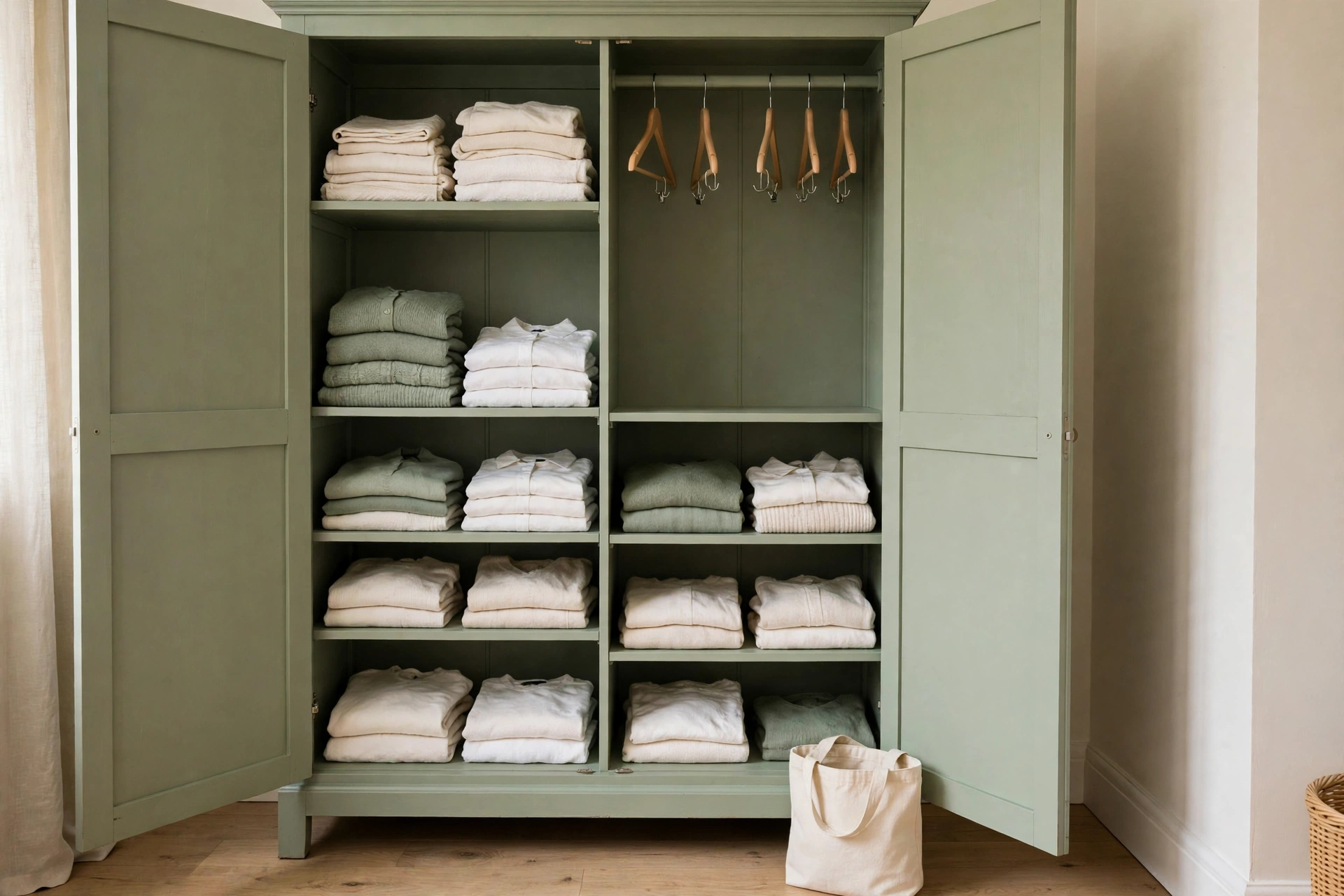
Week two is the bedroom and the closet, and it is the hardest week, because clothes carry feelings. Day eight is the top drawer, usually socks and underwear. Anything with holes, anything stretched out, and anything you never reach for goes. Day nine is the T-shirt drawer. Keep the ones you wore in the last three months. If a shirt has not been worn since last winter and it is not a special occasion piece, donate it.
Day ten is one shelf of the wardrobe, and day eleven is the next shelf. Try the hanger trick: turn every hanger around so the hook faces out. When you wear something, hang it back the normal way. In a month, the hangers still turned around are the clothes you never wear. Day twelve is shoes. Keep the pairs you walk in every week, donate the pairs that hurt, and bin the ones with holes in the soles. A small flat does not have room for shoes that hurt your feet.
Day thirteen is the bedside table, which collects books, chargers, and receipts. Keep the book you are reading, the charger you use, and one small tray for the rest. Day fourteen is under the bed. This is where spare bedding, old bags, and forgotten boxes live. Keep one spare set of bedding, store it in a flat box or a vacuum bag, and let the rest go. Week two ends with a closet where every item is one you actually wear, and getting dressed takes half the time.
Days 15 to 21: living room and entryway, the visible week
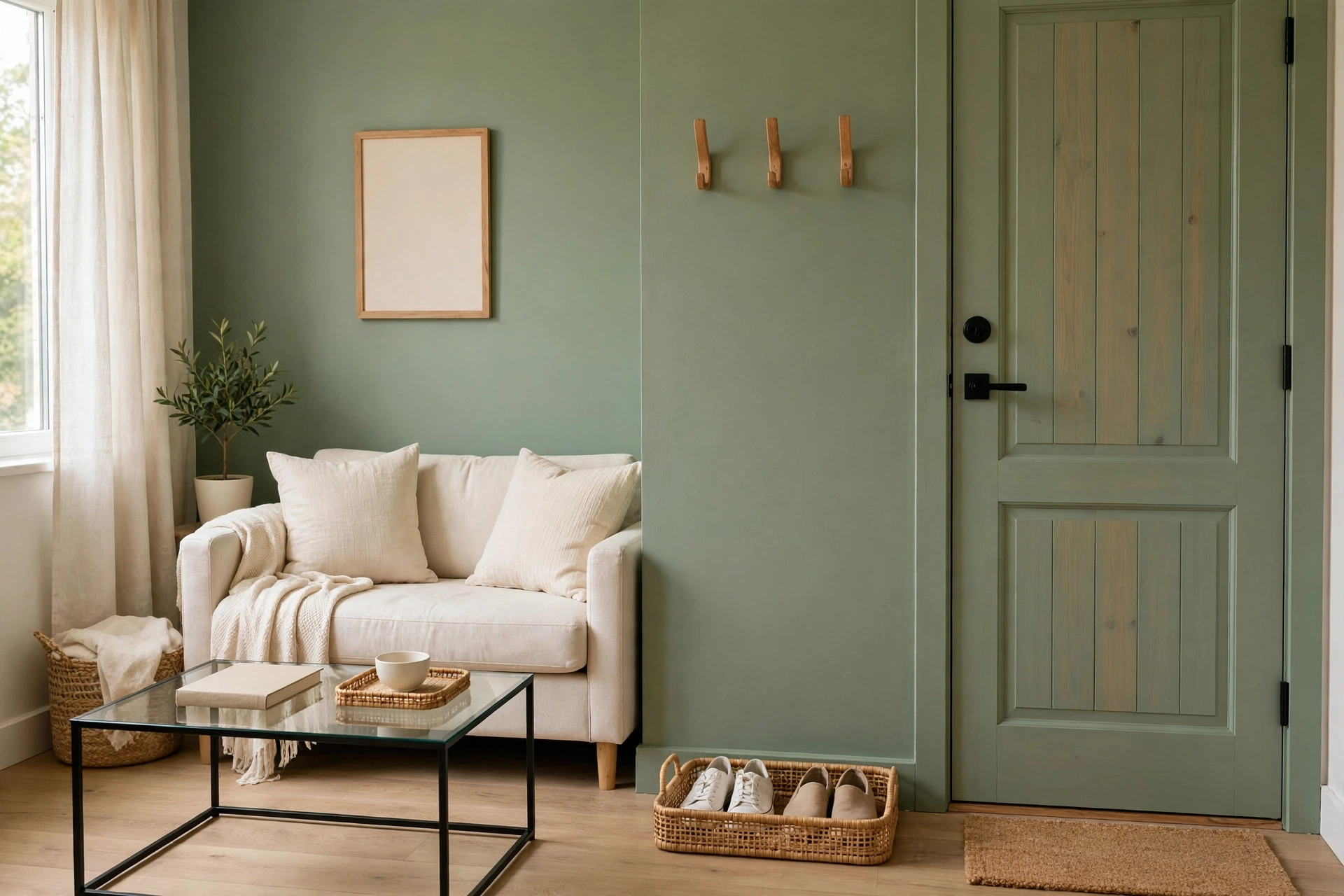
Week three is the living room and the entryway, and this is the week your flat starts to look different to visitors. Day fifteen is the coffee table. Keep one book, one coaster set, and a small tray. The remote controls live in the tray, not spread across the table. Day sixteen is the television stand or the media shelf. Old cables, broken chargers, and DVDs you never watch go. One small box holds the cables you actually need, labelled with a strip of tape.
Day seventeen is the bookshelf, one shelf only. Keep the books you love or will read again, donate the ones you finished and will not reread. Day eighteen is the next shelf, and day nineteen is the drawer or the basket where random things collect. Day twenty is the entryway, which is the first thing you see when you come home. One hook per person, one shoe tray, and a small dish for keys. Coats you never wear move to the closet or out of the flat.
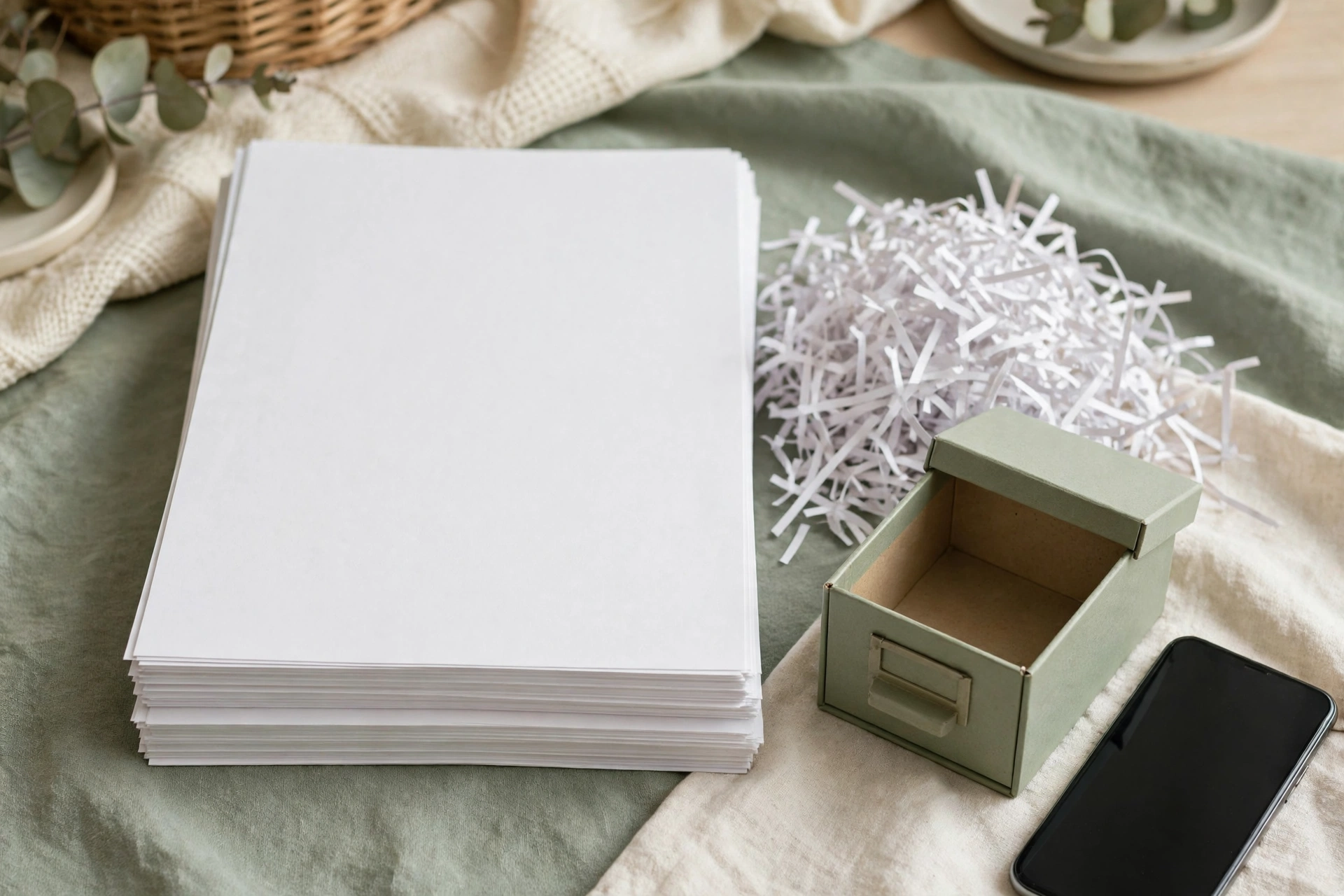
Day twenty-one is the surface that collects everything, the dining table, the sideboard, or the top of the chest of drawers. Clear it completely, wipe it, and put back only what belongs there. A clear surface changes the whole room, because your eye finally has somewhere calm to rest. Week three ends with a living room that looks bigger, because it is: you have taken things out, not added things in.
Days 22 to 30: papers, digital clutter, and the finish
Week four is papers, digital clutter, and the last corners, and it finishes the challenge. Day twenty-two is the paper pile. Sort it into three stacks: act on it this week, file it, and shred or recycle it. Most of it will be the third stack. Day twenty-three is old notebooks, magazines, and catalogues. Keep one notebook you still use, recycle the rest. Day twenty-four is the filing spot, a single folder or a small box for the papers that matter: the tenancy agreement, insurance, and bills.
Day twenty-five is your phone. Delete the apps you have not opened in three months, clear the screenshots, and back up your photos. Digital clutter counts, because a phone full of junk slows you down every day. Day twenty-six is your email inbox. Unsubscribe from ten newsletters you never open. It takes ten minutes and your inbox will feel lighter for months.
Day twenty-seven is the cleaning cupboard or the laundry shelf. Half-empty bottles of the same product get combined or used up. Day twenty-eight is the bag collection, tote bags, gift bags, and old backpacks. Keep three, donate the rest. Day twenty-nine is the last forgotten corner, the top of the wardrobe, the shelf above the door, or the box in the hallway. Day thirty is a victory lap: walk through every room, enjoy the space, and take an after photo. Thirty days, thirty small areas, one sorted flat.
The one bag a day habit that keeps it going
The secret of the challenge is not the thirty days, it is the habit underneath them: one bag a day, or one small area a day, for fifteen minutes. On the days when you do not feel like it, do the smallest area you can find. One shelf in the fridge. One pocket of one bag. The medicine drawer. A skipped day is fine too. Just do the next day, and do not try to catch up by doing two days at once, because that is how a fifteen minute habit turns into an hour you will avoid.
Set a fixed time if you can, for example right after breakfast, or while the kettle boils in the evening. A habit tied to something you already do is easier to keep than a habit tied to a clock. Put the timer on, do the area, and stop when the timer rings, even if the drawer is not perfect. Done is better than perfect, and a drawer that is eighty percent sorted is a huge improvement on a drawer that was never opened.
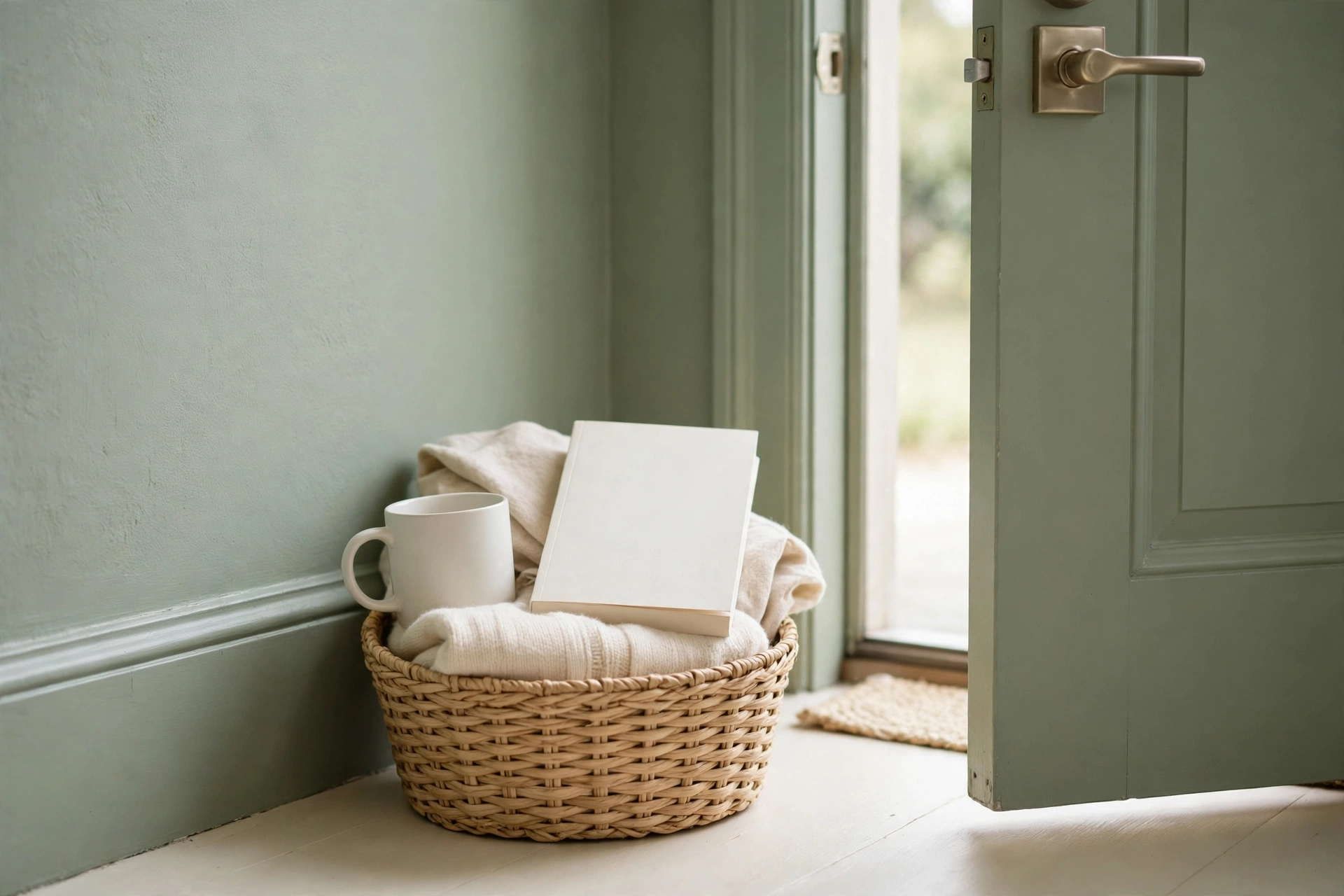
Keep a small “out” basket by the front door all month. When you notice something during the day that should go, a chipped mug, a book you will not read again, put it in the basket. At the end of the week, the basket goes to the donation shop. This basket does the decluttering for you between the daily sessions, and it is the easiest habit in the whole challenge.
What to do with everything that leaves
Getting things out of the flat is half the job, and doing it well means the clutter does not come back. Donations go to a charity shop, a clothes bank, or a local free group online. Bag them, label the bag, and drop them off within two days. Charity shops are happy to take clean clothes, books, kitchenware, and small household items. They cannot take broken electricals, stained bedding, or anything with missing parts, so check before you carry a heavy bag across town.
Selling is worth it for a few good items, a coat in good condition, a small appliance you never use, or a set of books. Take one clear photo in daylight, write an honest one line description, and list it on a local selling app or a community group. Price it to sell, not to keep, because an item that sits unsold for a month is clutter with a price tag. Give yourself a one week deadline: if it does not sell, donate it.
Rubbish goes straight in the outside bin or the recycling, and old medicines go back to a pharmacy, never in the bin. Broken electricals go to a recycling point, and old batteries go to a battery collection box in a supermarket. Knowing where things go before you start makes the daily sessions faster, because you are not standing in the kitchen wondering what to do with a dead toaster.
Renter-friendly storage for what stays
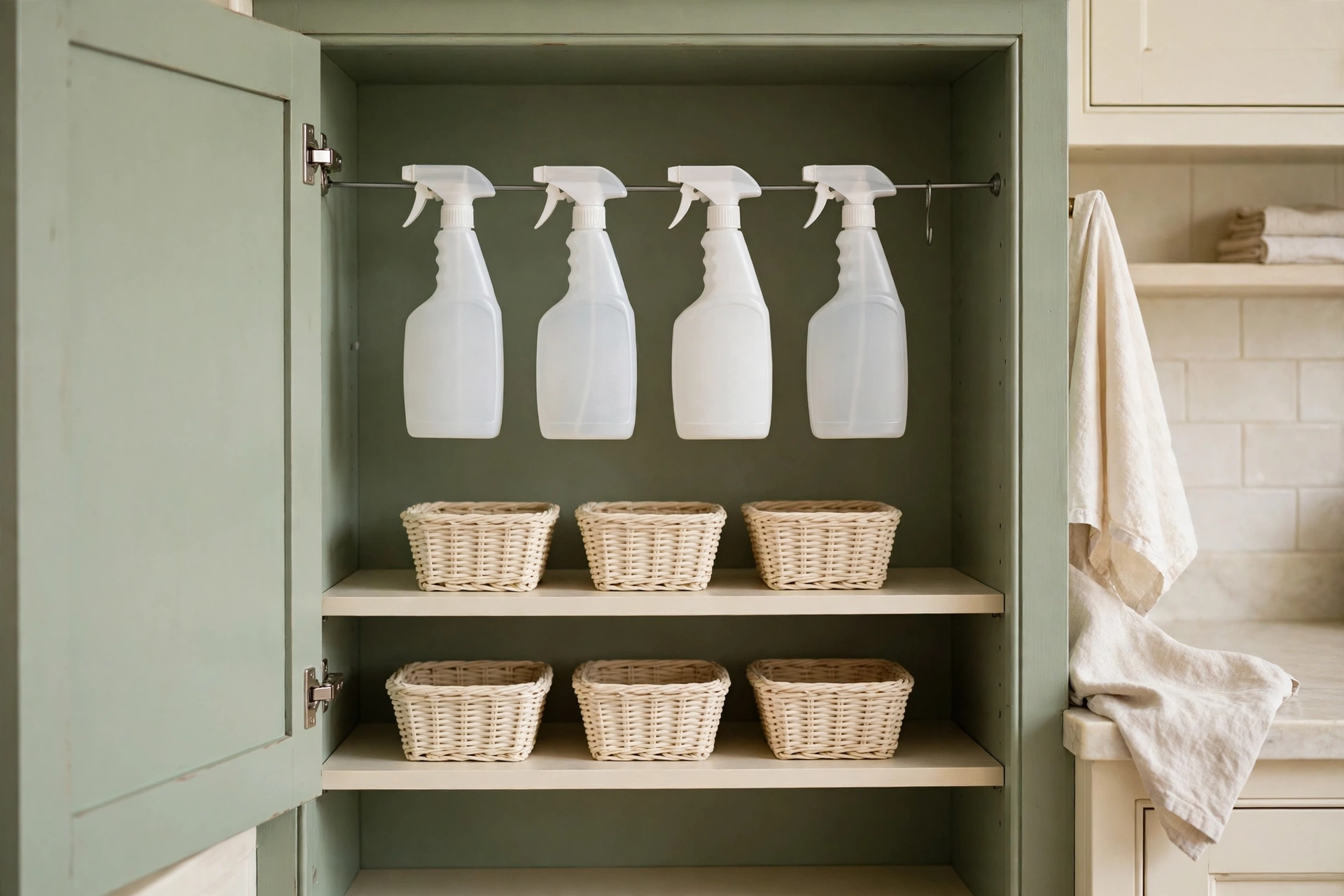
Decluttering is not the end of the story, because the things you keep still need a home. The rule is simple: everything you keep gets a place, and the place has to fit the flat you have, not the flat you wish you had. Small, cheap storage that needs no drilling is the answer. A tension rod under the sink holds spray bottles by their triggers and frees the shelf below. A small basket on a shelf holds the items that used to spread across the shelf. A hook on the back of a door holds bags, belts, or cleaning cloths, and it comes off without a mark when you move out.
Use the storage you already own before you buy anything. A shoebox makes a drawer divider, a jam jar holds hair ties or screws, and a tote bag holds the cleaning cloths. If you do buy storage, buy it after the challenge, not before, because you will know exactly what you need and how big it should be. Most people find they need far less storage after a declutter than they thought, because the clutter was the problem, not the lack of boxes.
Keep the one-in-one-out rule for the rest of the year. When a new item comes into the flat, an old one leaves. A new shirt means an old shirt goes to the donation bag. A new mug means an old mug goes. The rule takes ten seconds, it costs nothing, and it is the reason the flat stays sorted after January ends.
Keep it sorted: the five minute daily reset
The challenge ends on day thirty, but the sorted flat stays sorted because of one small habit: the five minute daily reset. Every evening, set a timer for five minutes and do three things. Put everything back where it belongs, wipe the kitchen surfaces, and take the rubbish out if the bin is full. Five minutes a day is all it takes to keep a decluttered flat looking decluttered, because there is less stuff to put away in the first place.
Add a weekly ten minute check on the same day every week. Pick one small area, the fridge, the entryway, or the bathroom shelf, and give it a quick sort. This is the same fifteen minute skill from the challenge, just once a week instead of once a day. It stops the slow build-up that turns a tidy flat into a cluttered one over six months.
Finally, do a mini challenge every season, one area a day for seven days, at the start of spring, summer, and autumn. Seven days, four times a year, keeps the flat at the same level as the end of January, and it is much easier than doing another thirty days from scratch. The January challenge is the big one, the seasonal minis are the maintenance, and together they mean you never have to do a weekend marathon again.
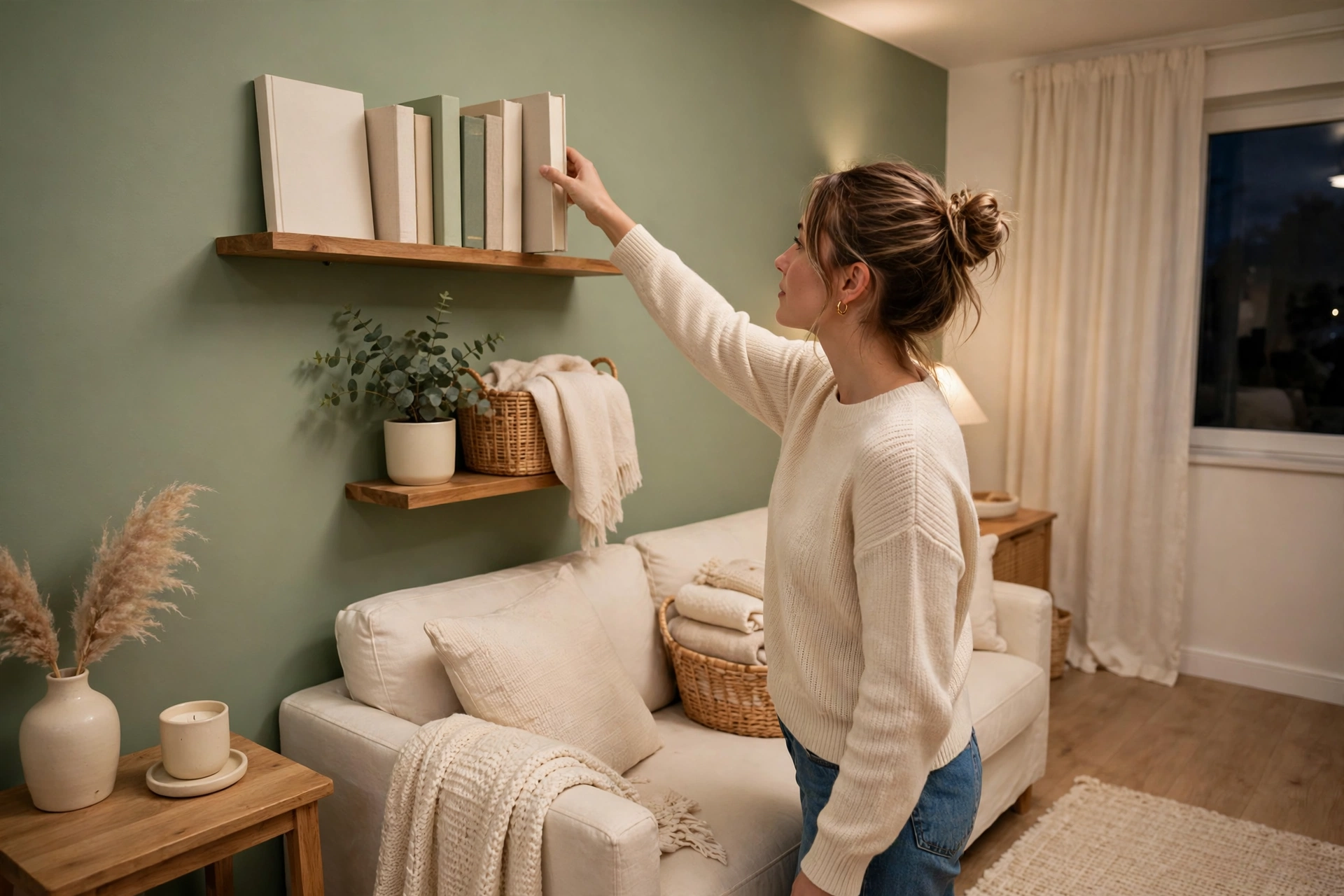
Your thirty days at a glance, and how to start today
Here is the whole challenge in one list, so you can start today without reading anything else. Week one, days one to seven: kitchen and bathroom. Cutlery drawer, junk drawer, food cupboard top shelf, mugs and glasses, under the sink, bathroom cabinet, bathroom drawer. Week two, days eight to fourteen: bedroom and closet. Socks drawer, T-shirts, wardrobe shelf one, wardrobe shelf two, shoes, bedside table, under the bed.
Week three, days fifteen to twenty-one: living room and entryway. Coffee table, media shelf, bookshelf one, bookshelf two, random drawer, entryway, the surface that collects everything. Week four, days twenty-two to thirty: papers, digital, and the finish. Paper pile, old notebooks, filing spot, phone, email, cleaning cupboard, bag collection, the last forgotten corner, and the victory lap on day thirty.
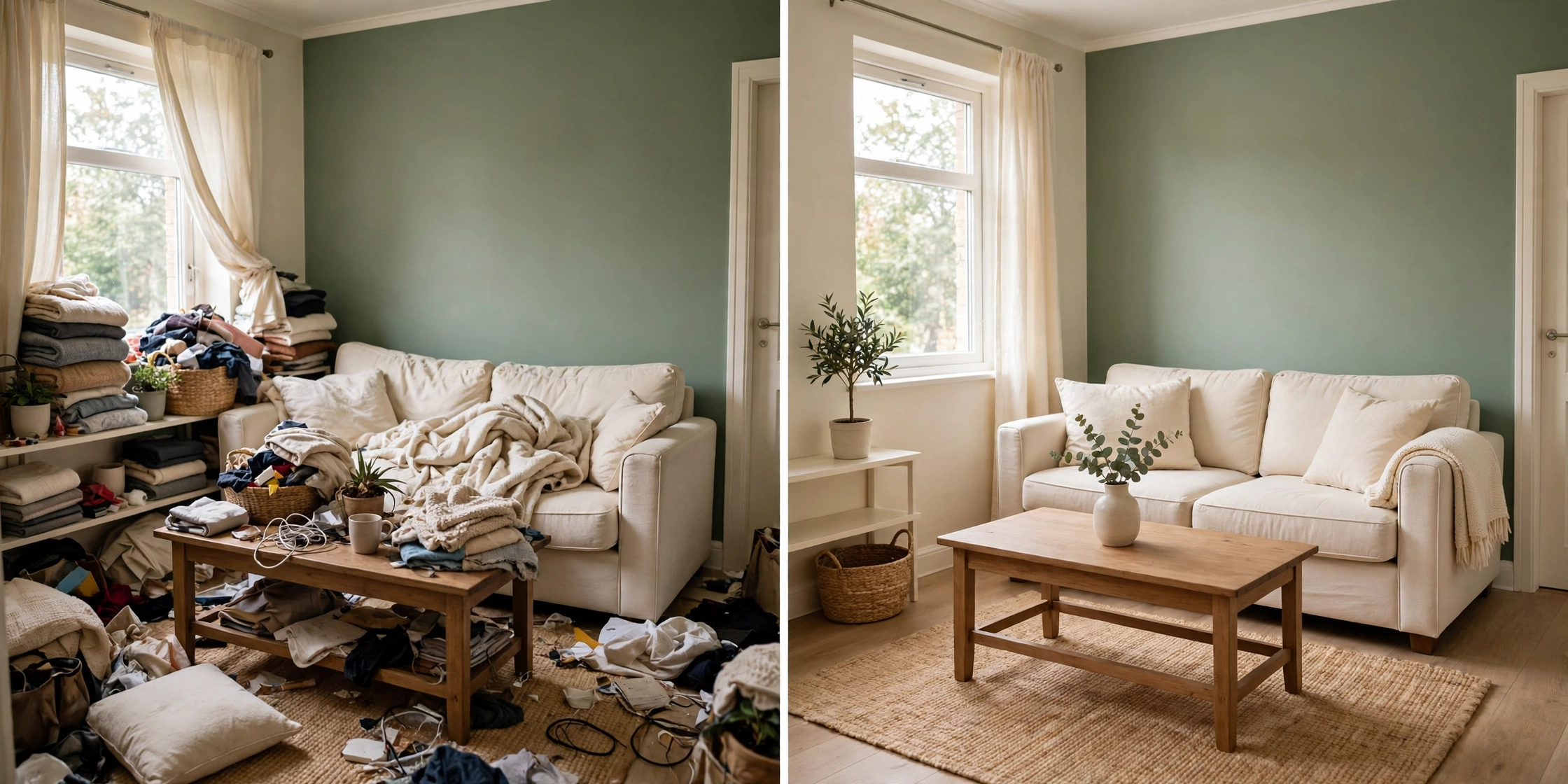
Start today, not on Monday, not on the first of the month, today. Pick the smallest area on the list, set a timer for fifteen minutes, and open the drawer. Take a before photo, because on day thirty you will want to see how far the flat has come. One drawer a day, thirty days, one sorted home. January is the best time to begin, and the best day to begin is today.
Related pins
- Declutter in 7 Days
- New Year Home Reset in 7 Days
- Cleaning List by Room
- 15-Minute Daily Reset Routine
- Christmas Guest-Ready Home in a Day